
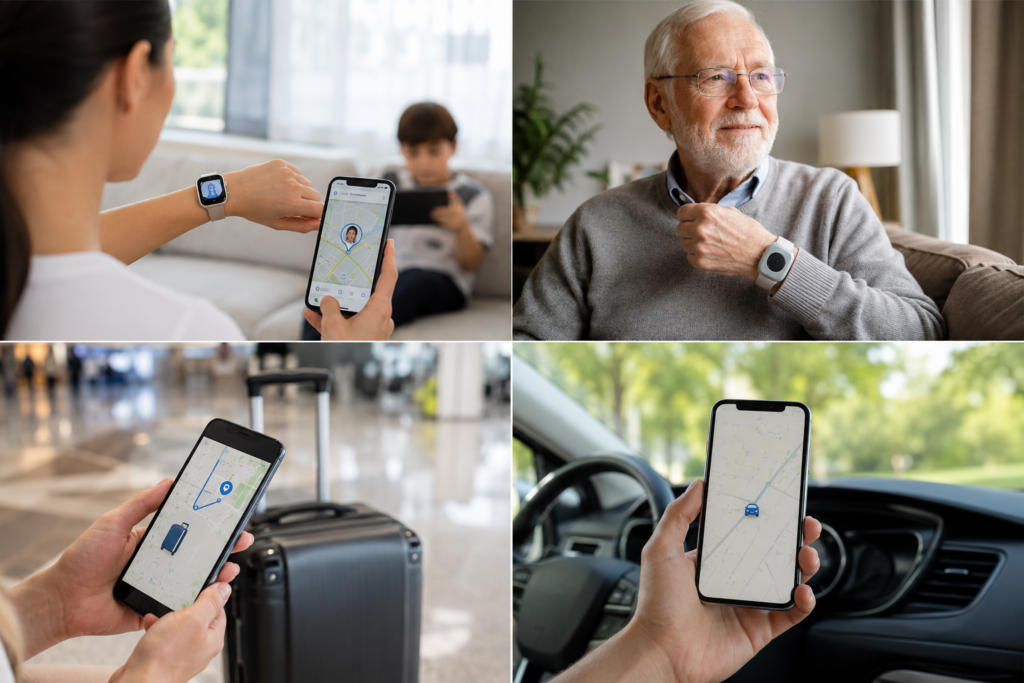
Smart GPS devices have evolved far beyond helping people find the fastest route home. Today, they’re becoming essential tools for personal safety, family protection, and travel security.
The challenge is that unexpected situations can happen anywhere. A child misses the bus, a senior loved one wanders from a familiar area, or a traveler loses track of luggage in a busy airport. In those moments, not knowing where someone or something is can quickly turn stressful.
Smart GPS devices solve that problem with real-time tracking, instant alerts, geofencing, and emergency features that keep people connected when it matters most. Here’s how these devices are changing the way we protect our families, belongings, and ourselves.
What Are Smart GPS Devices?
A smart GPS device is a connected tracker that provides real-time location updates, sends alerts, and allows users to monitor people, pets, vehicles, or belongings through a mobile app. Unlike traditional GPS systems that only provided directions, modern GPS devices are designed to improve safety, visibility, and peace of mind.
Older GPS units helped drivers navigate from one place to another. Today’s GPS trackers do much more. They stay connected to smartphones, share live location data, and notify users when something unexpected happens.
Most smart GPS devices include features such as the following:
- Real-time location tracking to provide continuous location updates.
- Mobile app connectivity for remote monitoring from virtually anywhere.
- Geofencing alerts that notify users when a person, pet, or asset enters or leaves a designated area.
- Emergency SOS functions that allow users to request help quickly.
- AI-powered notifications that can identify unusual activity or changes in routine.
Together, these features transform GPS technology from a navigation tool into a practical safety solution for everyday life.
Why Personal Safety Is Becoming a Priority
More people are prioritizing personal safety, whether they’re monitoring a child’s commute, caring for an aging parent, or traveling alone. At the same time, expectations have changed. Instead of waiting for a call or text, people want instant access to location updates and emergency assistance when needed.
This growing demand for real-time information is driving the adoption of smart GPS devices and location-sharing technologies.
How Smart GPS Devices Improve Personal Safety
Real-Time Location Tracking
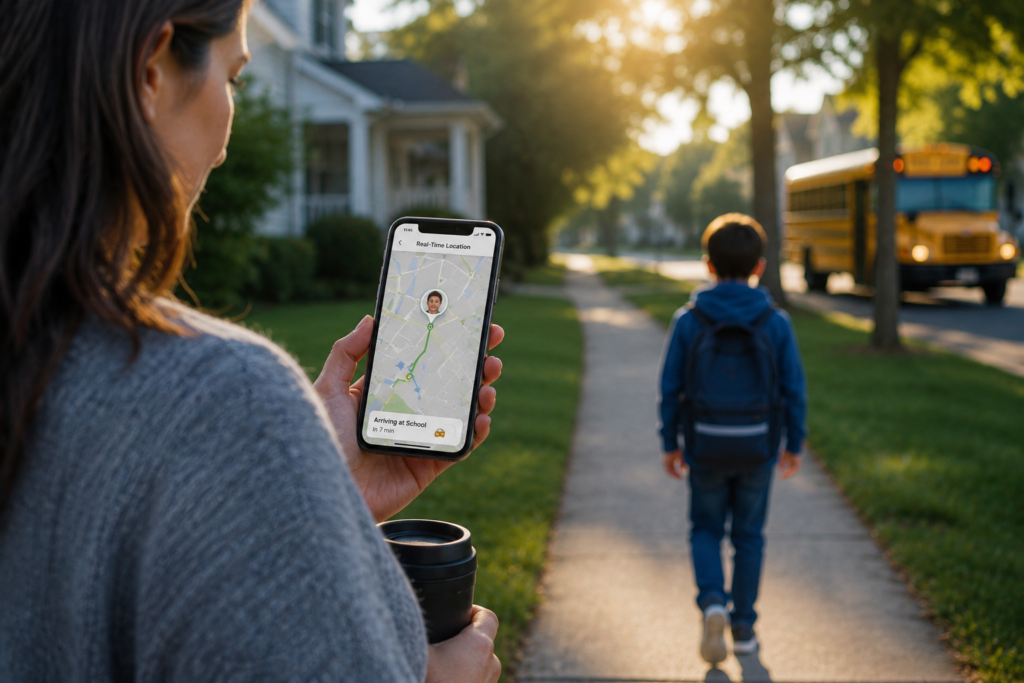
Real-time location tracking allows a GPS device to share live location updates through a connected app. Instead of relying on outdated information, users can see where a person, pet, vehicle, or valuable item is at any given moment.
For parents, it offers reassurance that children have arrived safely. For travelers and outdoor enthusiasts, it provides an easy way to stay connected and share their location when exploring unfamiliar places.
Emergency SOS Features
Most smart trackers include some version of a one-touch SOS button press and hold, and it fires off an alert (often with the person’s exact coordinates) to a pre-set list of emergency contacts. No fumbling through a phone, no trying to explain a location verbally while panicking.
This matters because emergencies rarely happen at a convenient moment. A simple, physical button that anyone, including a child or an older adult unfamiliar with smartphone menus, can use under stress is often more reliable than expecting someone to open an app and type.
Geofencing for Instant Alerts
Geofencing is essentially drawing an invisible boundary on a map and asking a device to tattle the moment that boundary gets crossed. It sounds simple, but the practical uses are surprisingly broad:
- Children arriving at school: A notification fires the moment a kid’s tracker enters the school zone, confirming a safe arrival without a phone call.
- Elderly family members leaving safe zones: Useful for caregivers managing a loved one with dementia or memory-related conditions, where wandering is a real and serious risk.
- Travelers monitoring personal belongings: A bag that drifts away from its owner in a crowded airport or train station triggers an alert before it’s truly lost.
Enhanced Outdoor Safety
Hikers, campers, and solo travelers face a specific problem: the places that make for the best adventures are often the places with the worst cell coverage. That’s pushed a wave of GPS devices toward satellite connectivity, allowing location sharing and SOS alerts even when there isn’t a single bar of signal in sight.
For anyone heading into unfamiliar terrain, that’s a meaningful upgrade from “I’ll text you when I’m back in range.” Devices built for the outdoors typically combine GPS with rugged, weather-resistant builds and longer battery life, since a tracker that dies on day two of a backcountry trip isn’t much of a safety net.
Smart GPS Devices and Family Security
Protecting Children
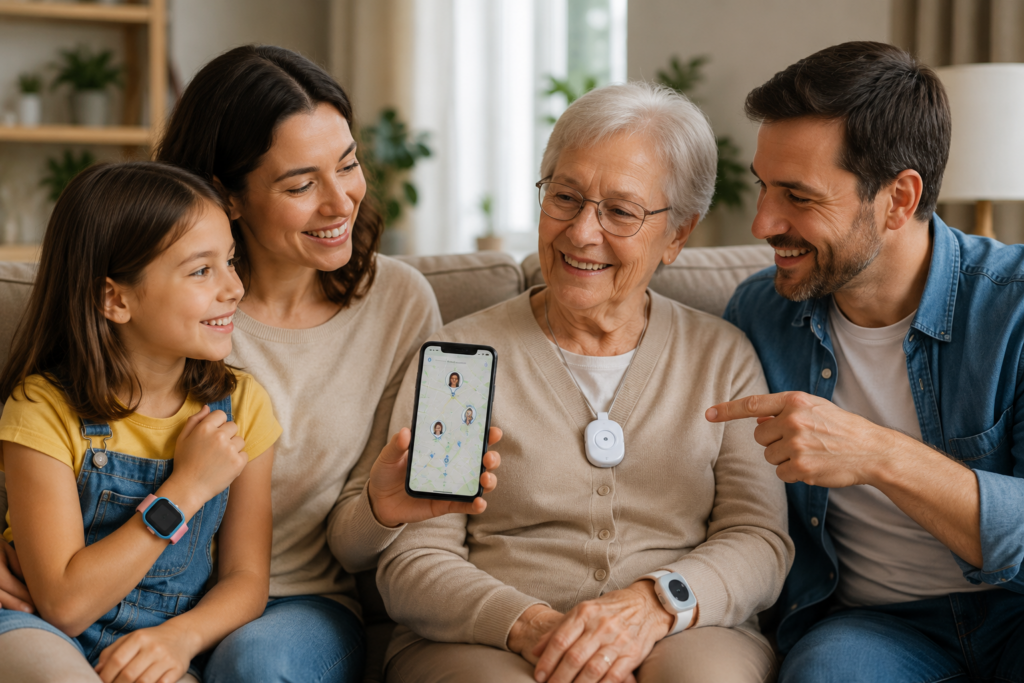
GPS trackers designed for children, often built into smartwatches or wearable devices, help parents stay informed about their child’s location without requiring a smartphone. They can be especially useful for monitoring school commutes, after-school activities, and daily routines.
The real value comes during unexpected situations. Whether a child misses the bus, takes a wrong turn, or gets separated in a crowded place, real-time location tracking and SOS features can help parents respond quickly and confidently.
Supporting Senior Citizens
GPS-enabled devices can provide added peace of mind for families caring for older adults, particularly those with memory-related conditions such as dementia. Real-time tracking and geofencing alerts allow caregivers to know when a loved one has left a designated safe area.
Many modern devices also include features such as fall detection, emergency alerts, and activity monitoring. Together, these tools help caregivers stay informed while allowing seniors to maintain greater independence.
Keeping Pets Safe
Pets can easily wander beyond the backyard or slip away during walks, making GPS trackers a valuable safety tool for pet owners. Attached to a collar, these devices provide real-time location updates and make it easier to locate a missing pet.
Many GPS pet trackers also support geofencing, sending instant alerts when a pet leaves a predefined area. This allows owners to take action quickly before a simple escape turns into a stressful search.
How GPS Technology Is Strengthening Travel Security
Tracking Luggage and Valuables
GPS luggage trackers help travelers keep track of suitcases, backpacks, and other valuables in real time. Instead of wondering where a delayed or misplaced bag is, users can quickly check its location through a mobile app.
These devices can also be used to monitor important items such as laptop bags, cameras, and travel gear, providing extra peace of mind during trips.
Safer Solo Travel
For solo travelers, GPS devices offer an added layer of security when exploring unfamiliar places. Live location sharing allows friends or family members to stay informed without requiring constant check-ins.
Many devices also include emergency assistance features, making it easier to request help quickly if an unexpected situation arises.
Vehicle Protection
GPS trackers help protect cars, motorcycles, and recreational vehicles by providing real-time location monitoring. If a vehicle is moved without permission, owners can receive instant alerts and track its location.
In addition to theft prevention, GPS tracking can help monitor teen drivers, manage family vehicles, and improve overall vehicle security.
Privacy Considerations When Using GPS Devices
All this connectivity comes with a responsibility to use it thoughtfully. A few things worth keeping in mind:
GPS trackers collect sensitive data on where you are, where your kids are, and where you sleep at night, so the app and company behind a device matter as much as the hardware itself. Look for clear data policies, encryption, and the ability to control exactly who can see a device’s location.
Responsible location sharing also means thinking about consent, especially with older children, partners, or extended family. Tracking a toddler is uncontroversial; tracking a teenager or a spouse without an honest conversation about it is a different matter entirely, and it’s worth approaching with transparency rather than secrecy.
Finally, stick with established, trusted brands rather than the cheapest unbranded tracker available online. A device with a track record is far more likely to handle your location data responsibly and far less likely to leak it.
What the Future Holds for Smart GPS Technology
Smart GPS devices are becoming more intelligent, thanks to advances in AI and connected technology. Future trackers will do more than report location; they’ll recognize routines, identify unusual activity, and deliver smarter alerts when something seems out of place.
At the same time, improvements in battery life, location accuracy, and wearable integration are making GPS devices more practical for everyday use. As these technologies evolve, smart GPS solutions will play an even greater role in personal safety, travel security, and family protection.
Conclusion
GPS technology has quietly graduated from “tool that gets you to the airport” to “tool that helps keep the people, pets, and possessions you care about safe.” Whether it’s a child’s commute, a parent’s safety, a solo trip abroad, or a car parked on a city street, smart GPS devices are filling in the gaps that used to rely entirely on hope and good timing.
As AI, battery technology, and wearable integration continue to advance, that safety net is only going to get more capable and a little less visible, in the best possible way. The future of personal safety isn’t a panic button bolted onto your life; it’s technology working quietly in the background, so the people you love can go further, explore more, and worry a little less.
FAQ
How do smart GPS devices improve personal safety?
They provide real-time location tracking, instant emergency alerts, and geofencing notifications, giving people and their families immediate visibility and faster response times during unexpected situations.
Are GPS trackers safe to use for children and seniors?
Yes, when used thoughtfully. Reputable devices are designed with simple controls, secure data handling, and features like SOS buttons that are easy for both kids and older adults to use confidently.
Can GPS devices work without a smartphone?
Many can. Standalone trackers with built-in cellular or satellite connectivity can transmit location data on their own, while a companion smartphone is typically only needed to view that data through an app.
What is geofencing in GPS tracking?
Geofencing is a virtual boundary set around a specific location. The device sends an alert automatically whenever the tracked person, pet, or item enters or exits that boundary.
Are smart GPS trackers useful for travelers?
Definitely. They help travelers keep tabs on luggage and valuables, share live location with loved ones during solo trips, and access emergency assistance features in unfamiliar places.