
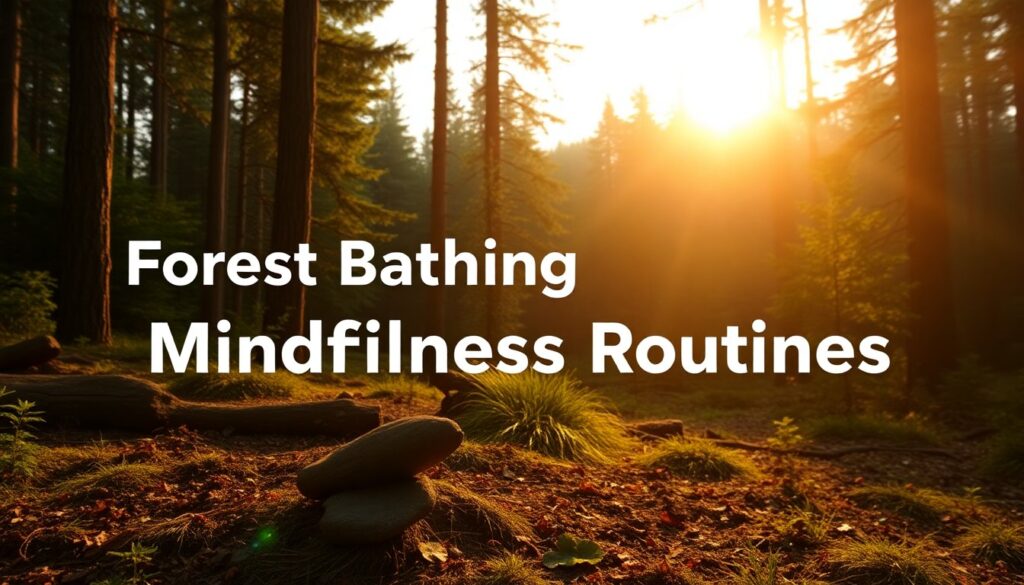
Forest bathing mindfulness routines tech buy review gxtwqldxxfulnkess appears as a growing search phrase. This article explains why forest bathing helps with focus and stress. It lists core routines a person can practice on a walk. It shows how to pick tech that helps without pulling attention. It gives a practical review of the GXTWQLDXXFULNKESS wearable for forest bathing.
Key Takeaways
- Forest bathing mindfulness routines improve focus and reduce stress by immersing in nature’s calming sensory experiences.
- Core practices include sensory grounding, walking meditation, and breath pauses to enhance mindfulness during walks.
- Choosing tech for forest bathing means selecting simple, unobtrusive devices with subtle cues and long battery life.
- The GXTWQLDXXFULNKESS wearable supports forest bathing with gentle haptic timers, ambient sounds, and offline modes, promoting regular mindfulness practice.
- This wearable balances comfort and functionality while avoiding distractions, making it ideal for those dedicated to forest bathing mindfulness routines.
Why Forest Bathing Works For Mindfulness
Forest bathing mindfulness routines tech buy review gxtwqldxxfulnkess begins with simple exposure to trees and light. Nature lowers heart rate and it reduces cortisol levels. The body senses shadow, breeze, and scent and it shifts into a calmer state. The brain drops default-mode chatter and it increases present-moment attention. Scientists report improved mood and better cognitive recovery after quiet time in green spaces. A person who practices forest bathing gains clearer thinking and more stable emotion. A routine that repeats short, regular visits yields steady benefits and it fits modern schedules.
Core Routines To Practice On Your Next Walk
Forest bathing mindfulness routines tech buy review gxtwqldxxfulnkess supports three core practices people can use on a walk. Each practice keeps language simple and action clear. The first practice focuses on the senses. The second practice focuses on the walk itself. The third practice fits brief pauses into busy days.
Sensory Grounding: Slow Down, Look, Listen, Smell
A person slows the pace and they scan the surroundings. They look at leaf texture and bark patterns. They listen for birds, wind, and footfall. They inhale slowly and they name scents. They count distinct colors and they note temperature changes. They touch safe bark and they notice pressure and texture. They keep sentences in their head short and they return attention to breath when the mind drifts. This simple routine turns a walk into a focused sensory practice. It fits five to ten minutes and it repeats daily.
Walking Meditation: Pace, Posture, And Purpose
A person sets a moderate pace and they relax the shoulders. They place feet firmly and they feel the ground. They keep posture upright and they allow natural arm swing. They match breath to steps, such as inhale for three steps and exhale for three steps. They keep attention on the movement and they bring it back when thought wanders. They practice for ten to twenty minutes and they use a looped path if they prefer routine. This method turns motion into mindful presence.
Breath Pauses And Micro-Meditations For Busy Days
A person adds short pauses during a busy day and they steady the breath. They stop for three full breaths and they count inward. They scan the body and they release tension on the exhale. They repeat this micro-meditation three to five times during a short outing. They use these pauses when a meeting ends or when they reach a park bench. These brief checks rebuild calm and they maintain continuity with longer forest bathing sessions.
How To Choose Tech That Enhances Forest Bathing Without Distracting
A buyer looks for simple tools that support attention and they avoid flashy features. A device must offer subtle haptic cues, clear audio for guided sessions, and long battery life. A person prefers offline modes and they value physical buttons over complex menus. A device should avoid constant notifications and it should allow do-not-disturb settings for walks. A buyer checks materials for comfort and weather resistance. They test the interface in bright light and they confirm that the device pairs easily with the phone. They choose a device that fades into the background and it supports longer presence.
Practical Review: GXTWQLDXXFULNKESS Wearable For Forest Bathing (Features, Pros, Cons)
The GXTWQLDXXFULNKESS wearable targets users who seek simple support on walks. It ships with a compact band and a minimal app. The device provides gentle haptic timers, ambient nature tracks, and a guided breathing mode. It offers offline session storage and a long battery life of about 72 hours with light use. It uses two physical buttons for start and pause and it rates well for comfort. Pros: the wearable keeps notifications off during sessions, it runs long on battery, and it encourages regular practice. Cons: the name proves hard to pronounce, the app shows small text on first launch, and third-party music streaming requires a one-time setup. The device links quickly to most phones and it holds connection during walks in light tree cover. The haptic cues feel soft and they nudge attention without jolting the user. The ambient tracks sound natural and they mix low volumes that do not mask real sounds. The wearable costs less than many premium smartwatches and it focuses on mindfulness features rather than general tracking. For a person who wants a dedicated device for forest bathing, the GXTWQLDXXFULNKESS wearable delivers clear value and it supports repeated practice.