
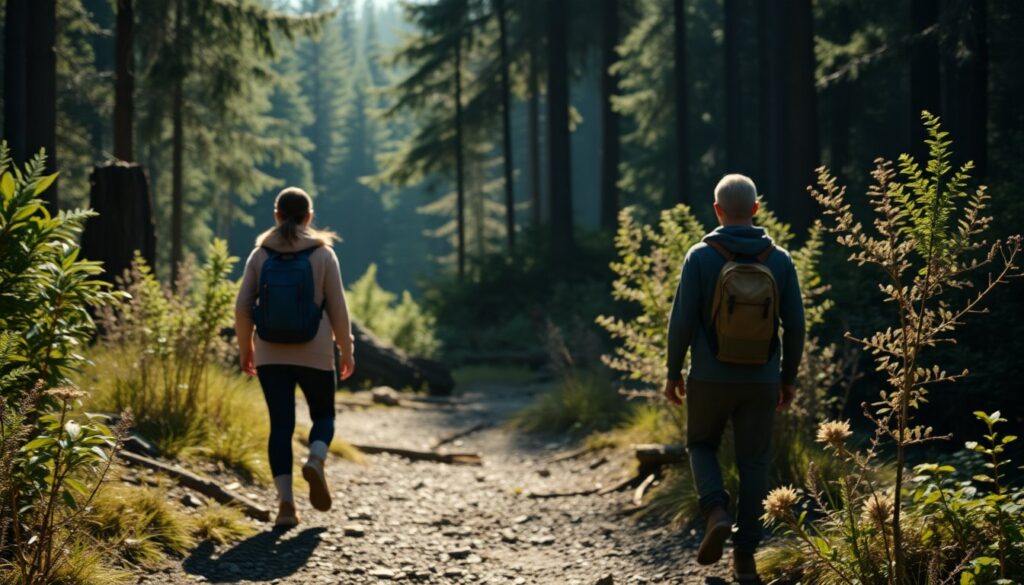
wilderness rituals glktwxvldfulnlessb mindful walking art appears in this guide to set intent and practice. The guide shows clear steps for mindful walking. It names gear needs and site choices. It gives safety notes and land-respect rules. The language stays simple. The reader finds a practical routine they can use on short trips or long retreats.
Key Takeaways
- Wilderness rituals glktwxvldfulnlessb mindful walking art slows the mind and boosts creativity by linking place, body, and attention.
- Setting a clear, specific intention and preparing appropriate gear and site choices are essential for effective mindful walking rituals.
- The mindful walking practice involves focusing on breath, footsteps, and sensory details while allowing thoughts to pass without attachment.
- Regular practice of wilderness rituals enhances calmness, focus, and resilience, helping people respond better under pressure.
- Respecting land rules, staying safe, and adapting ritual length makes mindful walking a practical and sustainable daily habit.
- Journaling brief reflections after walks supports progress by building awareness of mood and clarity improvements.
Why Wilderness Rituals Matter For Mindfulness, Creativity, And Resilience
They call the practice wilderness rituals glktwxvldfulnlessb mindful walking art to link place, body, and attention. The ritual helps the mind slow. The ritual opens room for simple ideas. The ritual gives the body a steady task. The ritual builds creative response to new sights and sounds. The ritual trains resilience by exposing the person to small stress and recovery. The ritual teaches people to notice detail, to let thoughts pass, and to return attention to the feet and breath.
They report benefits in short sessions and in longer retreats. A short walk clears working memory. A longer walk supports problem solving and fresh perspective. A regular ritual changes how a person reacts under pressure. A person who practices will find calm, clearer thinking, and stronger focus. Readers who try wilderness rituals glktwxvldfulnlessb mindful walking art often say they see color and pattern more clearly after a few sessions.
Preparing For A Mindful Walking Ritual: Intention, Gear, And Site Choice
They plan the ritual before they step outside. They set one clear intention. They name it in a sentence. They pick a purpose like ‘‘notice five textures” or ‘‘follow breath for ten minutes.” They keep the intent small and specific.
They choose gear to match weather and terrain. They wear closed shoes with good grip. They bring a light jacket and water. They carry a small first-aid kit and a whistle. They use a simple timer or a silent watch. They avoid headphones during the main practice. They use a camera only for later reflection.
They pick a site that matches skill and time. They choose a path with low human traffic. They choose a place with varied sensory cues: stones, leaves, water, or slope. They avoid fragile habitats and closed areas. They check local rules and weather forecasts. They tell one trusted person where they go and when they plan to return.
Step-By-Step Mindful Walking Practice Sequence
They begin by standing still at the trailhead. They breathe three slow breaths. They read their intent aloud or in the head. They feel the ground under both feet. They start to walk at a slow, steady pace.
They match steps to breath if that helps. They count steps or follow breath for several cycles. They keep attention on the soles of the feet, the rhythm, and small sounds. They notice one sensory detail at a time: scent, sound, or texture. They name the detail in the mind and then release the label.
They use a soft gaze. They keep the shoulders relaxed. They allow thoughts to pass without chasing them. If the mind wanders, they return attention to the feet and breath. They pause every five to ten minutes to stand and scan the body. They breathe fully and reset intent.
They end the ritual by slowing to a stop. They take three full breaths. They thank the place or simply note what they saw. They write one line in a notebook if they have it. They leave the site as they found it and pack out any trash.
Bringing Ritual Into Everyday Life While Respecting The Land And Safety
They add short walks to daily life to keep the practice alive. They use brief sessions near home when they lack time. They choose a nearby green space, a quiet street, or a small park. They repeat the same short ritual to build habit. They keep sessions under distraction and step away from phones.
They respect land rules and local communities. They follow posted signs and seasonal closures. They stay on marked trails to protect plant life. They avoid stepping on moss, rare flowers, or soft banks. They carry out anything they bring in. They use a small trash bag for litter they find.
They keep safety clear and simple. They check weather and daylight. They bring a friend for unfamiliar routes. They carry a charged phone and an emergency contact. They learn basic route-finding and simple first aid. They know local wildlife risks and keep distance from animals. They make noise when needed to avoid startling large animals.
They vary ritual length to fit obligations. They practice five-minute walks on busy days and hour-long sessions on freer days. They pair the walk with other healthy habits: drinking water, stretching, and resting. They teach the ritual to friends or family members to share care and attention.
They measure progress in simple ways. They notice mood changes after practice. They note clearer thinking and greater patience. They record a short sentence about the walk twice a week. They let the ritual stay practical and flexible. They let the place shape the practice and not the other way around.