
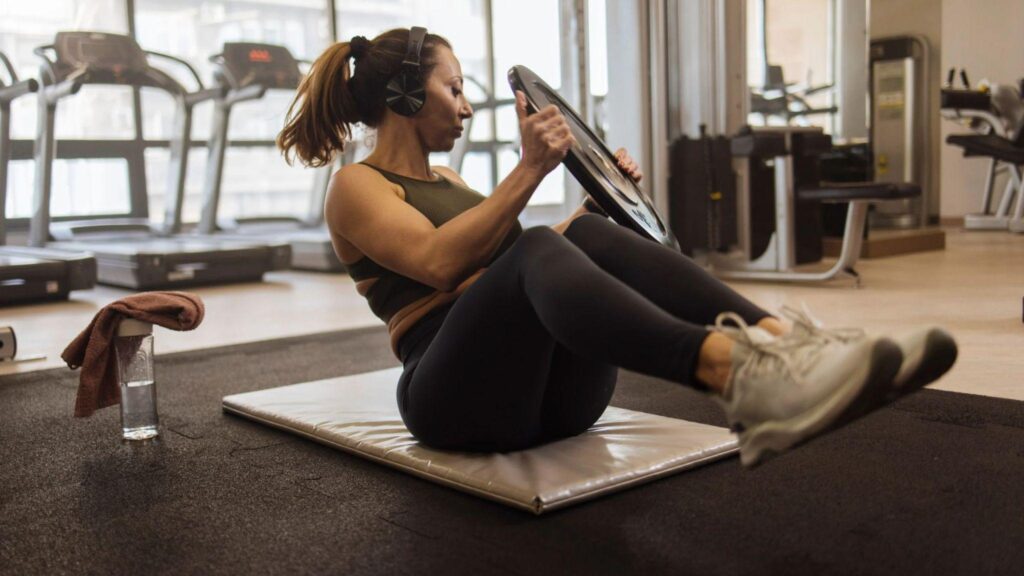
It's 5:30 in the morning. You're standing in the garage with a barbell, a rower and one kettlebell, and you have twenty minutes before you need to shower.
So you open your phone. You scroll a saved post that calls for a sled you don't own. You find a program that wants a full rack of dumbbells. You try to remember what you did on Tuesday. By the time you've settled on something, a quarter of the session is gone.
Nobody counts those minutes. They should.
Deciding Is the Hidden Workout
Training alone has real advantages. No class times, no commute, no waiting for the squat rack. But it also makes you your own programmer every single morning, and most people are bad at it under time pressure. Not because they don't know movements. Because choosing well at 5:30 a.m., half awake, is a different skill from lifting.
The result is predictable. Sessions start late. The same three workouts get repeated because they're easy to remember. Or the decision feels like enough friction that the session doesn't happen at all.
The internet doesn't help much here. Saved posts and random workout apps hand you a session, but almost none of them start from the gear you actually own. A workout that assumes equipment you don't have is a homework assignment, not a plan.
Start From What's in Front of You
WodDrive takes the opposite approach. Its generator, free and with no account required, starts by asking what's in front of you. You tick from a short list: barbell, dumbbells, kettlebell, pull-up bar, rower, jump rope, box. Tick nothing and you get bodyweight work. Then you pick 10, 20, 30 or 45 minutes and one focus, and it builds the session using only what you ticked.
What comes back is a full workout rather than a list of exercises. A warm-up matched to the day. A short strength piece on land days, with sets, reps and rest written out. The scored part in a real format (AMRAP, EMOM, for time or intervals) with a clock. A cooldown. There's even a built-in interval timer on the generator page, so you can prop your phone against a plate and start.
[MID-ARTICLE IMAGE SLOT: a phone propped against a weight plate showing a running clock, chalked hands in frame. Photo Gate pending.]
One garage gym athlete in Tucson described the change plainly: ten minutes of deciding used to come first. Now it's tick what's in the garage, pick 20 minutes, start.
The Scaling Line Is the Real Feature
Here's the part that matters most for anyone training without a coach watching. Every movement in a WodDrive workout gets its own scaling line.
The company's example session shows how this works. Deadlifts are written at 185/125 lb, with a scale to 135/95 or kettlebell deadlifts. A 15-calorie row scales to 12 calories or a 200-meter run. Burpees over the bar scale to stepping back and stepping over, no jump.
That matters because the worst outcome of solo training isn't a slightly easy day. It's grinding through a movement you can't do well, or skipping the session because the written version looks impossible. WodDrive frames scaling the way good coaches do: "Rx" means as written, and scaled means you changed it so you can move well for the whole clock. Use the scaled line any day it fits better. Nobody's grading you.
It's still general fitness information, not medical advice, and the site says so plainly. If something hurts, scale it or stop.
When Random Days Stop Working
A generator solves the daily decision. It doesn't solve the long game, and WodDrive doesn't pretend otherwise. If you're chasing a specific lift or event, a different workout every day won't build toward it.
That's where the company's paid tier comes in: remote coaching at $179 a month, billed monthly, with a named coach who writes a plan around your goals, schedule and equipment. You check in on Sunday, your coach posts the week on Monday, and the next week changes based on what you reported. One member in Denver used the free generator for two years, then signed up for coaching when the squat stopped moving.
That's an honest order of operations. Start with the free tool. Pay for a person only when you need one.
Either way, stop spending the first ten minutes of every session deciding. Tick your gear and start the clock.