
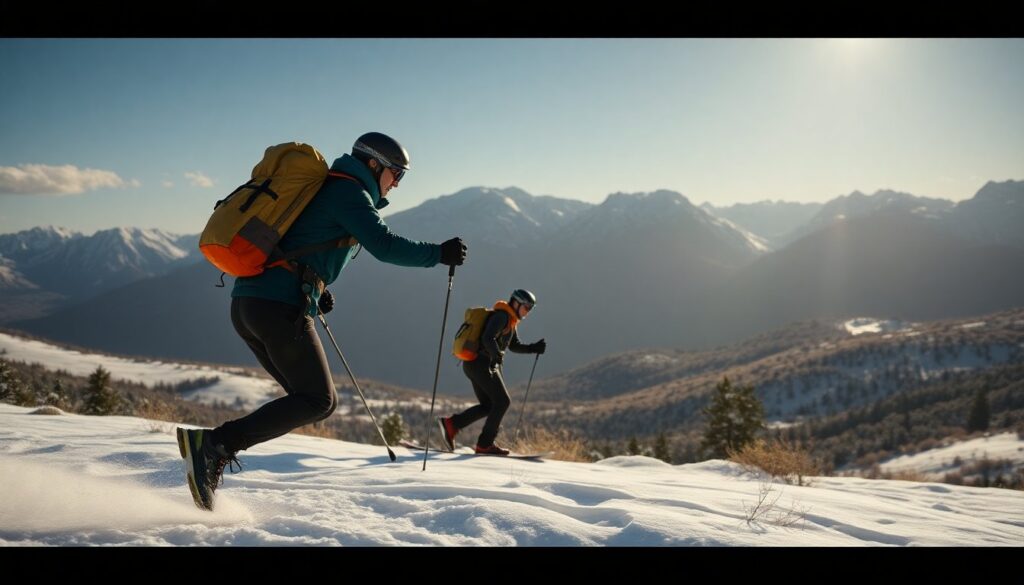
getwildfulnesv ecotherapy neuroscience of outdoors sports review examines how outdoor sport alters mood, attention, and stress. The review shows evidence from brain imaging, hormonal studies, and behavioral trials. It highlights practical methods that staff and coaches can use. The introduction lays out what readers will learn and why the topic matters for health and performance.
Key Takeaways
- Getwildfulnesv ecotherapy uses outdoor sports combined with sensory attention to enhance mood and reduce rumination effectively.
- Outdoor sport sessions typically last 20 to 90 minutes, combining warmup, core activity with mindfulness prompts, and reflection for maximum benefit.
- Neuroscience shows outdoor sports reduce default mode network activity and cortisol levels, improving emotion regulation and lowering depressive thoughts.
- Practitioners should tailor session intensity and group settings to participant needs, ensuring safety and engagement through screening and consent.
- Incorporating sensory prompts and reflective pauses during outdoor activities strengthens focus, mood, and cognitive resilience.
- Regular wildfulness ecotherapy sessions lead to lasting brain changes, supporting mental health through improved mood, attention, and stress reduction.
What Wildfulness Ecotherapy Is And Why Outdoor Sports Are Powerful Catalysts
Getwildfulnesv ecotherapy neuroscience of outdoors sports review defines wildfulness ecotherapy as short, guided outdoor practice that mixes physical sport and sensory attention. Practitioners use walking, trail running, climbing, and paddling with prompts that direct attention to breath, sight, and touch. The approach aims to reduce rumination and increase present-moment focus.
Researchers describe two active elements. First, physical exertion raises heart rate and releases endorphins. Second, focused attention on environment reduces negative thought loops. Together these elements shift mood and executive control.
The review shows that outdoor sports offer predictable benefits. They improve mood within a single session. They lower perceived stress after repeated exposure. Coaches and therapists can use common sports drills and add short mindfulness cues to create wildfulness sessions.
Program design matters. Sessions last 20 to 90 minutes in most trials. Sessions include a warmup, a core activity with sensory prompts, and a short reflection. Leaders pick activities that match participant fitness. They also choose settings that feel safe and offer varied sensory input, such as mixed forest and open meadow.
Getwildfulnesv ecotherapy neuroscience of outdoors sports review warns against one-size-fits-all plans. Some participants prefer solo rhythm, and others prefer guided groups. The review recommends screening for medical and mental health risks and scaling intensity. It also recommends clear consent and exit options for participants who feel overwhelmed.
How Outdoor Activity Changes The Brain: Key Neuroscience Findings
Getwildfulnesv ecotherapy neuroscience of outdoors sports review summarizes neural changes seen after outdoor sport. Functional imaging shows reduced activity in the default mode network after brief nature exposure and movement. The default mode network links to self-referential thought and rumination. Reduced activity in this network correlates with lower depressive thinking.
The review notes consistent changes in stress biology. Cortisol drops after 20 to 60 minutes of moderate outdoor exercise. Heart rate variability increases, which indicates improved parasympathetic control. These physiological shifts relate to better emotion regulation during daily stressors.
The review covers learning and attention. Outdoor sports increase dopamine release tied to reward and motivation. They also boost norepinephrine levels, which help attention and memory consolidation. Researchers measured improved working memory and faster reaction times after combined nature and exercise sessions.
Longer-term studies show structural changes. Regular outdoor activity links to increased hippocampal volume and better white matter integrity in pathways that support mood and cognition. The review cautions that most studies use mixed samples and calls for more randomized trials focused on high-risk groups.
Getwildfulnesv ecotherapy neuroscience of outdoors sports review highlights a practical takeaway. Brief, repeated outdoor sessions change both brain function and body chemistry in ways that support mental health. The changes appear within single sessions and accumulate with regular practice.
Designing Wildfulness Sessions: Practical Tips For Safer, More Effective Ecotherapy Through Sport
Getwildfulnesv ecotherapy neuroscience of outdoors sports review gives simple rules for session design. First, set clear goals. Leaders state whether the session aims to reduce stress, improve focus, or train endurance. Clear goals help choose activity type and duration.
Second, match intensity to ability. Leaders ask about experience and recent health history. They offer lower-intensity options and pace guidance. This practice reduces injury risk and keeps participants engaged.
Third, add sensory prompts at regular intervals. Prompts ask participants to name three sounds, notice breath for one minute, or describe ground texture. These prompts keep the mind anchored and prevent runaway thinking.
Fourth, use short reflective pauses. Leaders stop activity for two to five minutes at planned points. Participants take inventory of mood, breath, and body tension. These pauses reinforce learning and strengthen emotion regulation.
Fifth, plan exit and safety steps. Leaders identify nearby medical access, carry communication devices, and set group check-ins. They include a clear plan for signs of overexertion or distress. This step makes outdoor sessions safe and repeatable.
Sixth, track outcomes simply. Leaders collect brief mood and stress ratings before and after sessions. They log attendance and perceived exertion. This data helps refine session length, prompt frequency, and choice of terrain.
Getwildfulnesv ecotherapy neuroscience of outdoors sports review ends with a pragmatic note. Small, consistent changes in session design yield measurable gains in mood, attention, and resilience. Leaders can scale sessions up or down while keeping prompts, pauses, and safety clear and simple.