
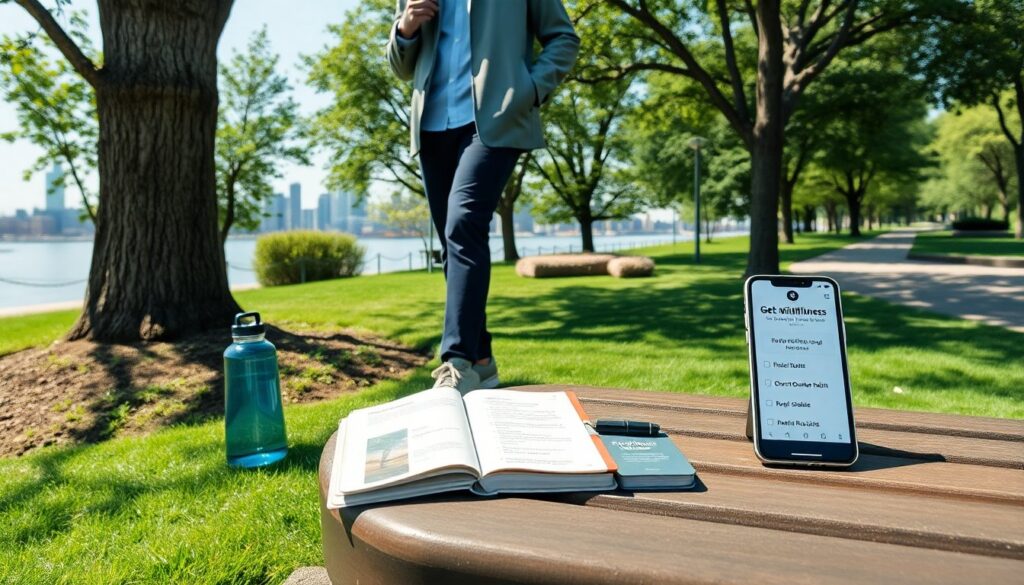
Get-wildfulness.com offers a clear method to rewild the mind and life. The site shows simple habits, tools, and routines. The reader learns why nature matters and how to act. This guide maps steps the reader can apply in 2026.
Key Takeaways
- Get-wildfulness.com emphasizes that regular nature contact lowers stress, improves mood, sleep, and immune function, benefiting people of all ages and lifestyles.
- Core wildfulness habits include brief outdoor pauses, sensory engagement, screen time limits, weekly micro-adventures, and keeping a nature log for mindful connection.
- Nature immersion techniques like forest bathing, shore walks, and micro-adventures are practical ways to deepen wildfulness and enhance attention to the natural world.
- Mindful movement and sensory exercises help reconnect body and place, requiring no special gear and can be performed indoors if needed.
- Weekly wildfulness routines are tailored for busy individuals, combining short daily outdoor breaks, a midweek walk, and a weekend outing for sustainable practice.
- Simple tools like comfortable shoes, field guides, and setting digital boundaries support wildfulness without distracting from the present moment, encouraging consistent outdoor engagement.
Why Wildfulness Matters: Science, Benefits, And Who It Helps
Researchers link nature contact to lower stress and better attention. The brain recovers when people spend time outside. Get-wildfulness.com cites studies that show improved mood, sleep, and immune response. The practice helps people who feel burned out, distracted, or isolated. Employers see better focus when staff take regular outdoor breaks. Parents report calmer children after daily outdoor play. Older adults gain mobility and social contact through group nature walks. The message stays simple: nature contact improves health and daily function.
Core Practices To Cultivate Wildfulness — Simple Daily Habits
Get-wildfulness.com lists core practices that anyone can use every day. The first habit involves brief nature pauses. The person steps outside, breathes, and names three natural sights. The second habit uses senses. The person feels bark, hears birds, and smells soil. The third habit sets screen limits. The person silences devices for short outdoor periods. The fourth habit adds micro-adventures. The person plans one small outdoor outing per week. The fifth habit keeps a short nature log. The person writes one line about what they saw.
Nature Immersion Techniques: How To Do Forest Bathing, Shore Walks, And Micro-Adventures
Get-wildfulness.com explains forest bathing as slow walking with attention. The person moves at an easy pace and notices leaves, light, and wind. The site shows how to do shore walks by following the waterline and watching tide patterns. The person scans for shells and bird tracks. The site recommends micro-adventures like dusk hikes, bike trips, and short wild camps. The person plans trips that fit work and family. The site advises packing water, a map, and simple first-aid. The advice stays practical and short.
Mindful Movement And Sensory Exercises To Reconnect With The Wild
Get-wildfulness.com teaches mindful movement to link body and place. The person does gentle stretches under a tree and aligns breath with steps. The site gives sensory drills: close eyes and name sounds, trace leaf edges, or track wind direction. The person practices for five to ten minutes to build habit. The site shows how to use posture to feel grounded. The exercises require no gear and no special skill. The person can repeat them indoors if weather blocks outdoor time.
Designing A Weekly Wildfulness Routine: Busy-Person-Friendly Plans
Get-wildfulness.com offers weekly plans that fit busy lives. The site sets three simple routines: short daily pauses, a midweek micro-adventure, and a weekend longer outing. The person starts with three-minute outdoor breaks each day. The person adds a thirty-minute park walk midweek. The person reserves ninety minutes for a longer hike on the weekend. The site suggests batching errands into outdoor routes and bringing kids or friends to make outings easy. The plans remain flexible and repeatable across workweeks.
Tools, Gear, And Digital Boundaries: What Helps — And What Gets In The Way
Get-wildfulness.com lists simple tools that help practice. The person uses comfortable shoes, a light jacket, and a reusable water bottle. The site recommends a small field guide or an app for species ID. The person sets phone boundaries by using do-not-disturb and leaving maps offline. The site warns that constant notifications break focus and reduce benefits. The person learns to carry a paper map when possible. The site reminds readers that gear should support activity, not replace presence.
How To Measure Progress And Keep Wildfulness Sustainable Over Time
Get-wildfulness.com offers simple metrics to track progress. The person notes minutes spent outside per day and counts outdoor sessions per week. The site suggests mood check-ins using a one-to-ten scale before and after outings. The person tracks sleep hours and note changes over weeks. The site recommends small goals and regular review every two weeks. The person adjusts plans based on weather, work, and energy. The measure stays practical so the habit survives long term.